For enterprise

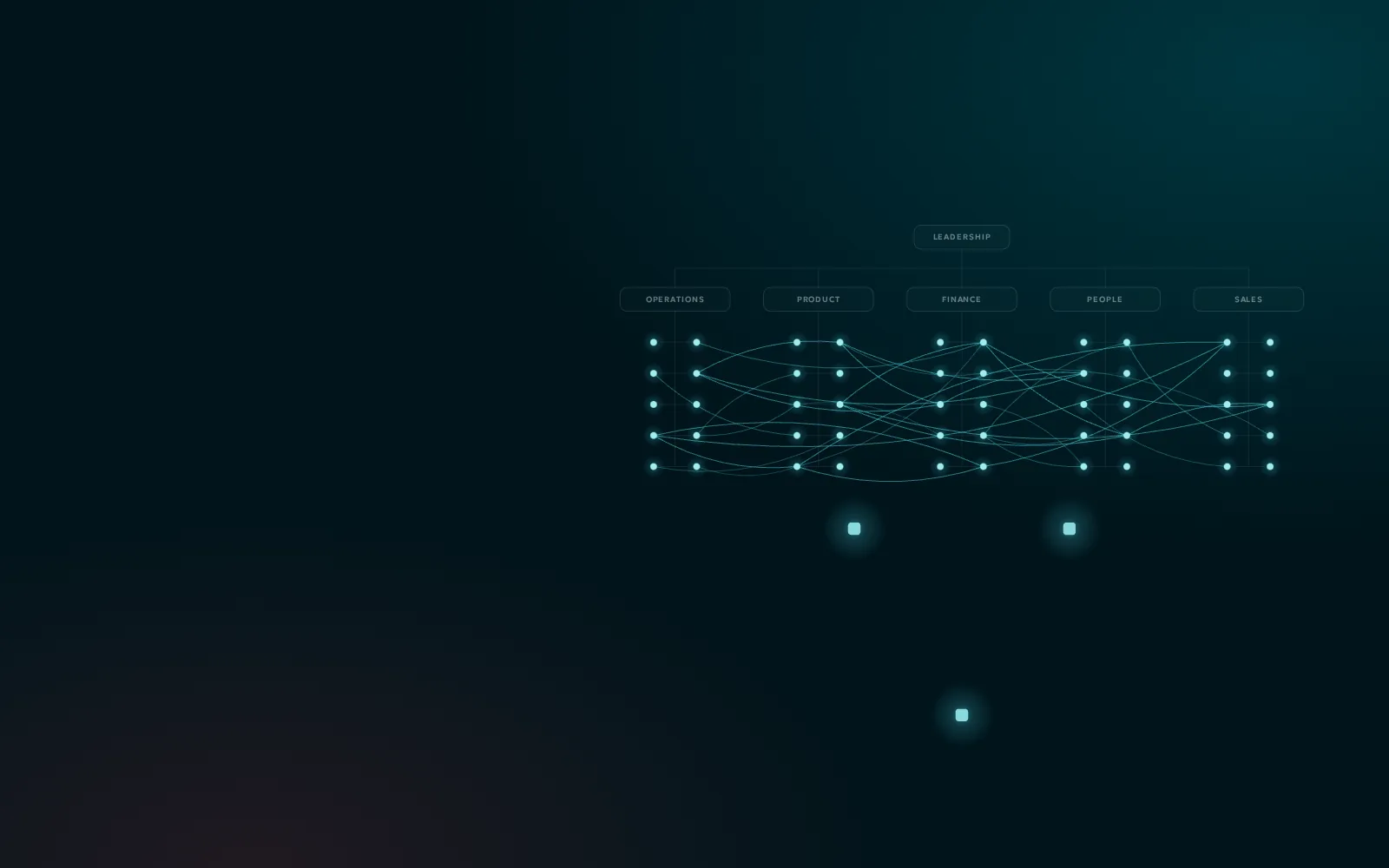
Your best team isn't on the org chart.

The Labs puts people from across your company on a real problem for twelve weeks. They frame it, build it and teach it back, and the whole company gets better at the work.

Skip to the offer →

The problem

Work is changing faster than any org chart.

The problems that matter most don't sit in one department. Neither do the people who could solve them.

Week one

Strangers become a Pod.

Nine or more people from every function gather around one of your problem situations: a real, messy problem nobody owns yet.

Teams

Teams form around what they propose.

As the Pod reframes the problem, teams of three to five form around the ideas worth building. Mentors from The Labs' community join them: people from outside your walls who've done this before.

Building

Every obstacle becomes a workshop.

Each team builds a working first version. When one hits a wall, a Mentor helps them over it, then turns it into a workshop so the next team doesn't hit the same one.

Teaching

Then they teach it.

Everyone teaches one workshop on a skill their team needed. What a dozen people learned reaches everyone they work with.

Twelve weeks on

The org chart stays. The silos don't.

People who'd never met now work across the lines, and they can frame a problem, form a team and build again, without us.

The network

Part of something bigger.

Your cycles run on the same open method Labs run at public libraries, city by city. The best of every Lab reaches you, and what your people improve goes back to everyone.
In-house cyclesDraft offer

Bring The Labs inside.

A Build Cycle for your company, on your problems, run by people you train.

  • Twelve weeks on your problems

    Your people, from every function, in Pods and teams, through to a Showcase for your leadership.

  • Facilitators you grow

    Your people train as Poderators, run their first cycle beside ours, and earn the role by doing it well.

  • Mentors from outside

    People who do the work, from The Labs' community, there when a team gets stuck.

  • Your own platform

    Cycles run on your own instance of the open platform, so your data stays with you.

  • Every playbook

    The workshops and guides every Lab uses, free, and better every cycle.

  • Proof you can check

    Every contribution is credited by name, so you see who did what, not just who attended.

What your company gets

Capability you can see.

  • People who frame problems

    Not just solve the one they're handed.

  • Teams across the lines

    Working relationships that outlast the cycle.

  • Proof, not completion

    Credited work you can look at, instead of a certificate.

  • A method you keep

    Open source, with no lock-in. Run it again whenever you like.

Other ways in

Start smaller.

Not ready for a cycle of your own? Work with the open programme first.

  1. 01

    Lend your experts

    Skills-based volunteering that counts: your people mentor teams for a single workshop or a whole cycle.

  2. 02

    Send your people

    Your people join the open cycle at the public library, beside career changers and neighbours.

  3. 03

    Sponsor a sector cohort

    Bring your industry's shared problems, and a cohort takes them on in the open.

  4. 04

    Help a city open a Lab

    Fund the workshops and the first cycle where your people live and work.

Plainly

What it isn't.

  • Not consulting. Your people do the work, and keep the skills.
  • Not a finished product. Twelve weeks makes a working first version, not a launch.
  • Not a training catalogue. People learn by building, with workshops when they need them.
  • Not only about AI. AI is part of the work. Framing, teaming and teaching are the rest.

Where it started

Built by people who had to.

In fall 2025, fifty former federal workers met at DC Public Library to work out their next move together. From that group came The Labs, so anyone could do the same.

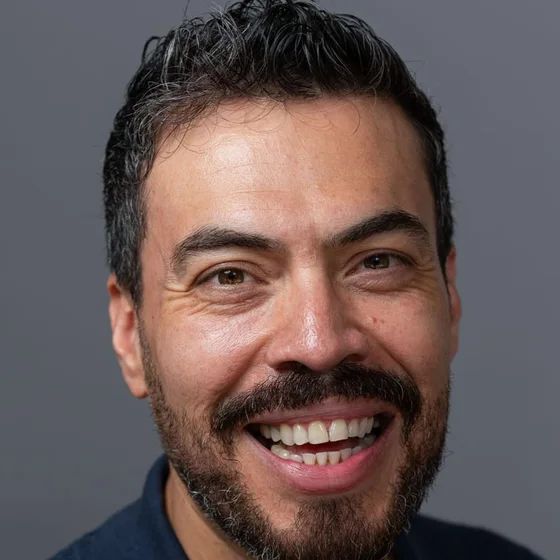
The program gave me purpose again—connecting me with mission-driven public servants to tackle real problems.
Hector PerlaInaugural AI Cohort, fall 2025
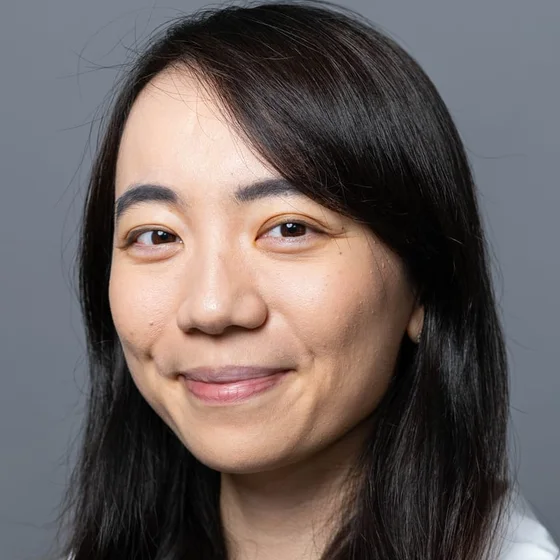
I left realizing my gap is exactly where my strength lies—translating between tools, teams, and user needs.
Suzie ZhangInaugural AI Cohort, fall 2025

Our results are public, like our code.

Every cycle, we publish who took part, what they made and where they went next.

In the press: Technical.ly, February 2026. →

Questions

What buyers ask.

How to start

Three steps to your first cycle.

One person on your side owns the problems and the Showcase.

Put your best team on it.

Tell us the problems you'd give them. We'll shape the rest with you.